Skip to content

Medical Doctor · Researcher · Builder

Emmanuel Julius Chaligha

Healthcare is ultimately a systems problem. Medicine identifies problems, research validates solutions, and technology scales impact.

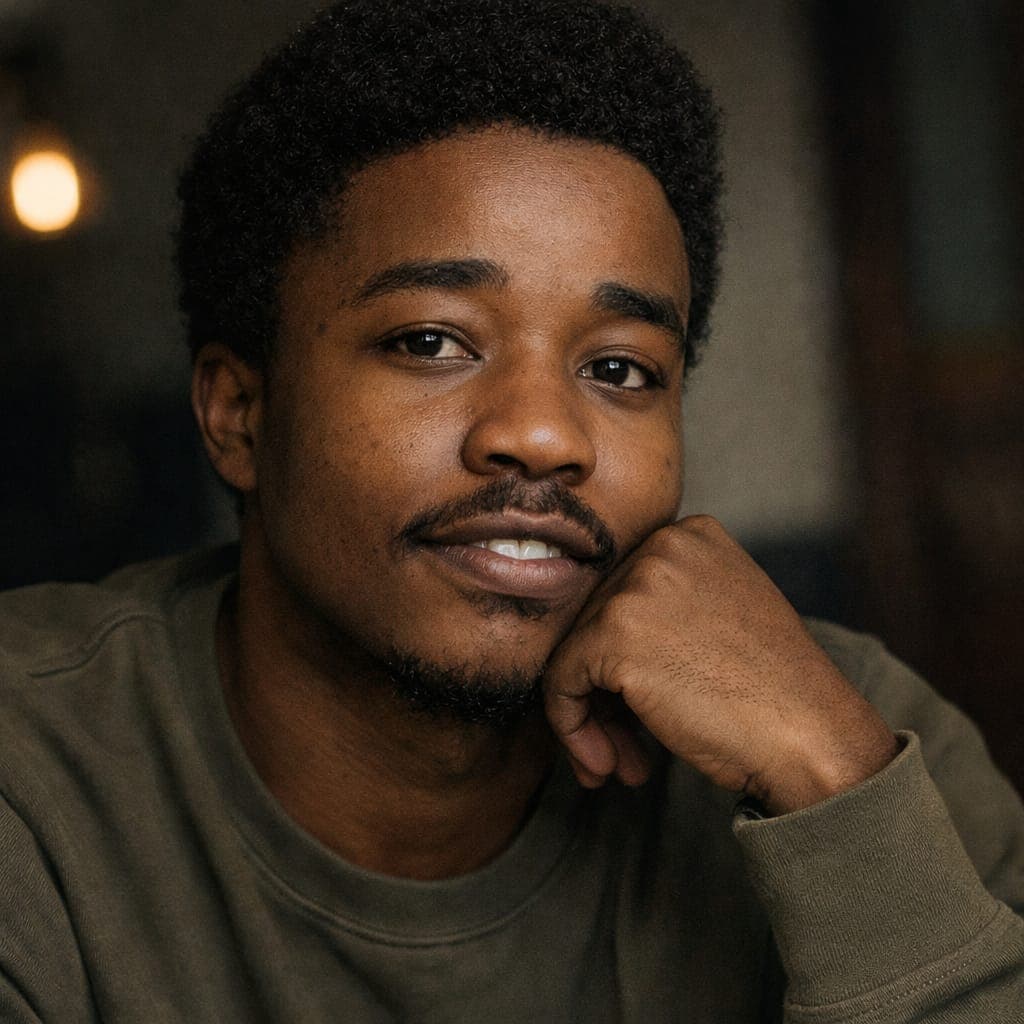
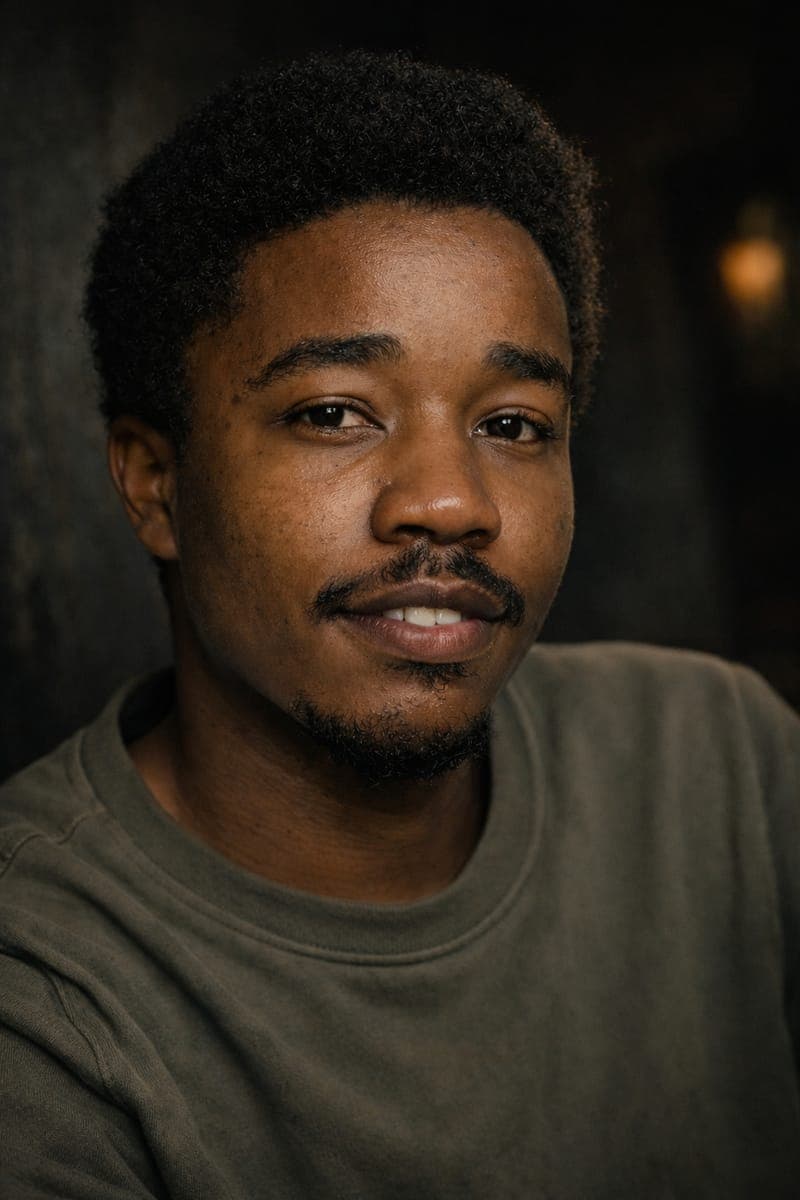
Portrait of Emmanuel Julius Chaligha

The story

Why medicine and software

01 · The origin

Seeing the system

I chose medicine for the obvious reason — I wanted to treat people. What kept me in it was something I noticed on the wards as a student in Dar es Salaam: most of what goes wrong for a patient never happens at the bedside. It happens in the gaps — a file that can't be found, a result that arrives late, a referral that stalls between desks. The patient in front of you is one person; the system around them decides what care they actually receive. Once I saw healthcare that way, I couldn't unsee it.

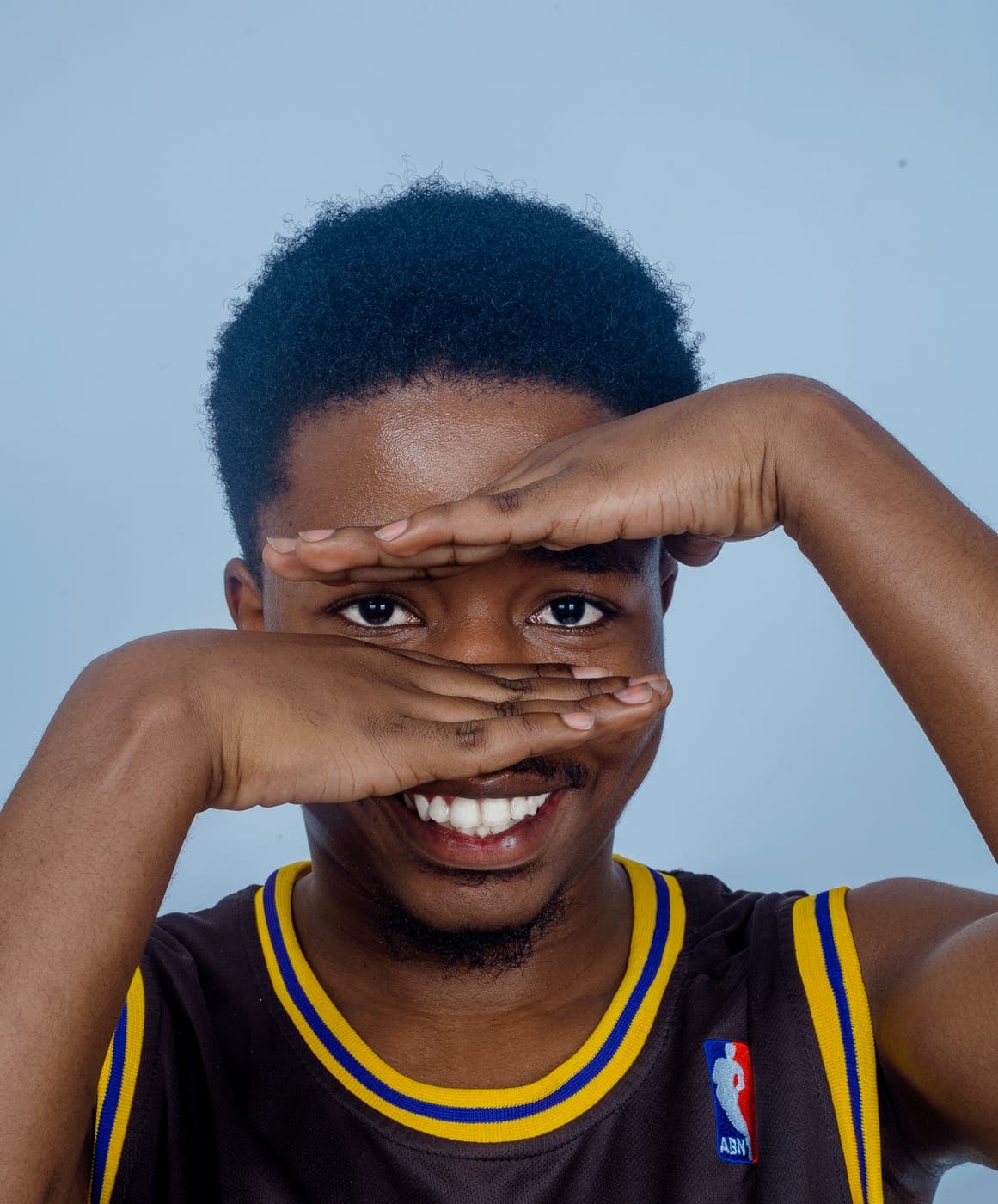
Studio portrait of Emmanuel, hand resting against his face
Portrait
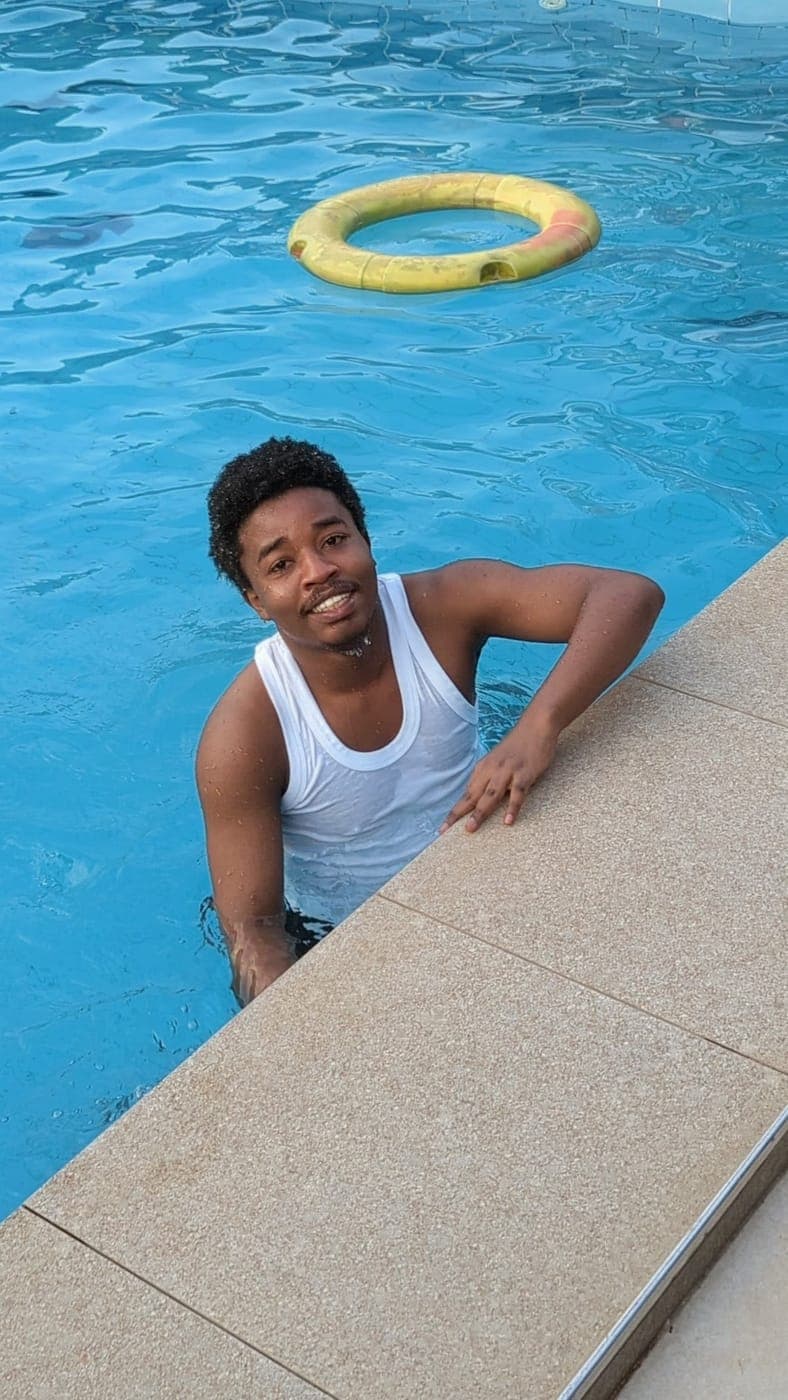
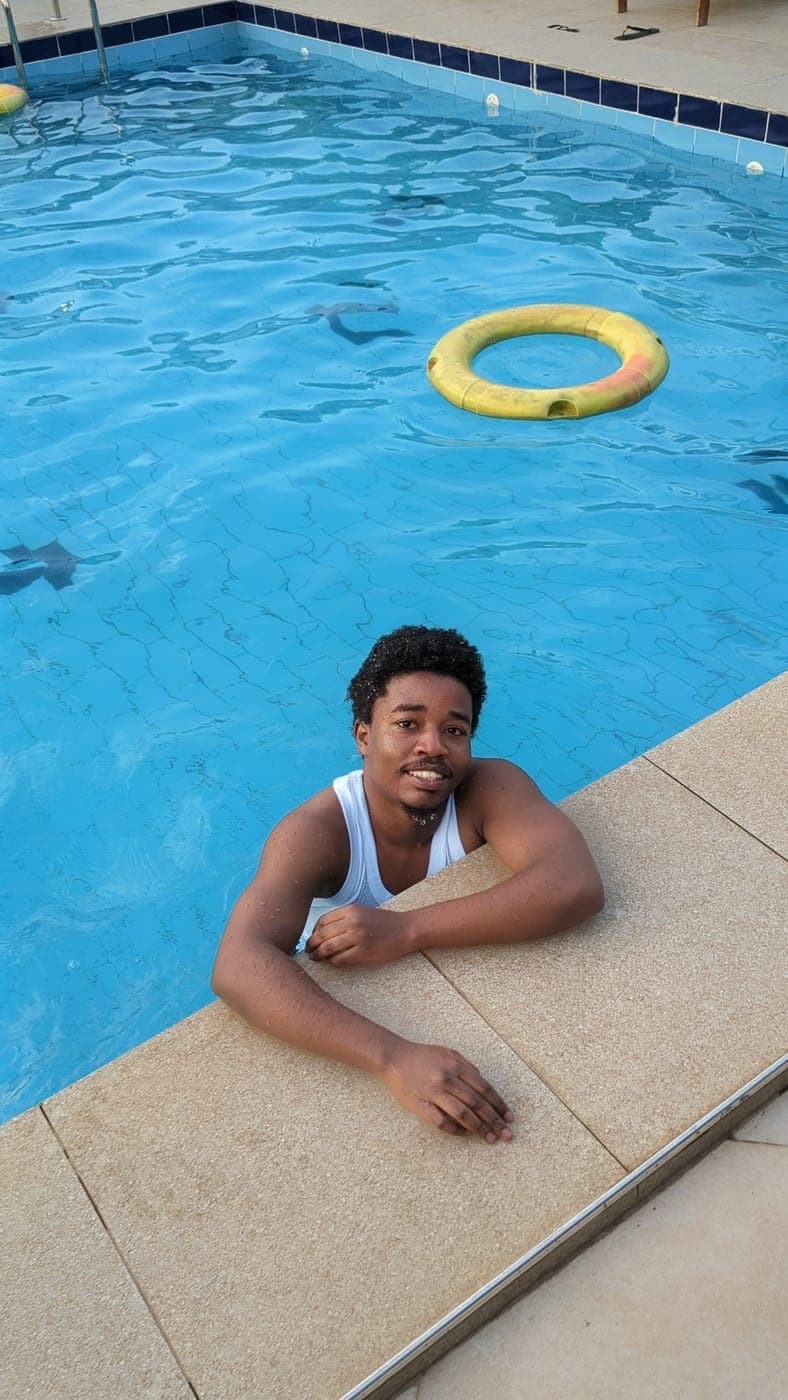
Emmanuel at the edge of a swimming pool
Off the clock
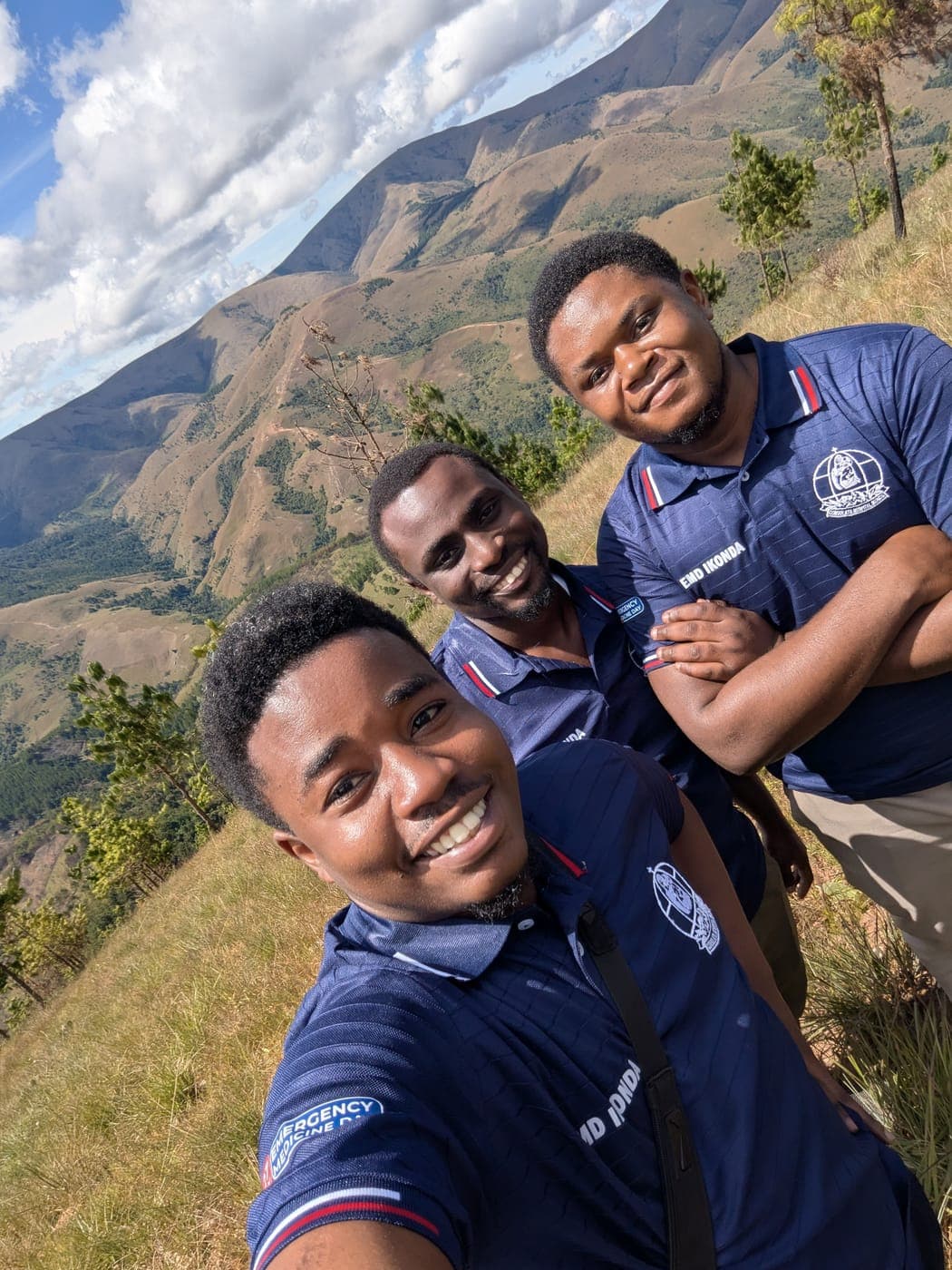
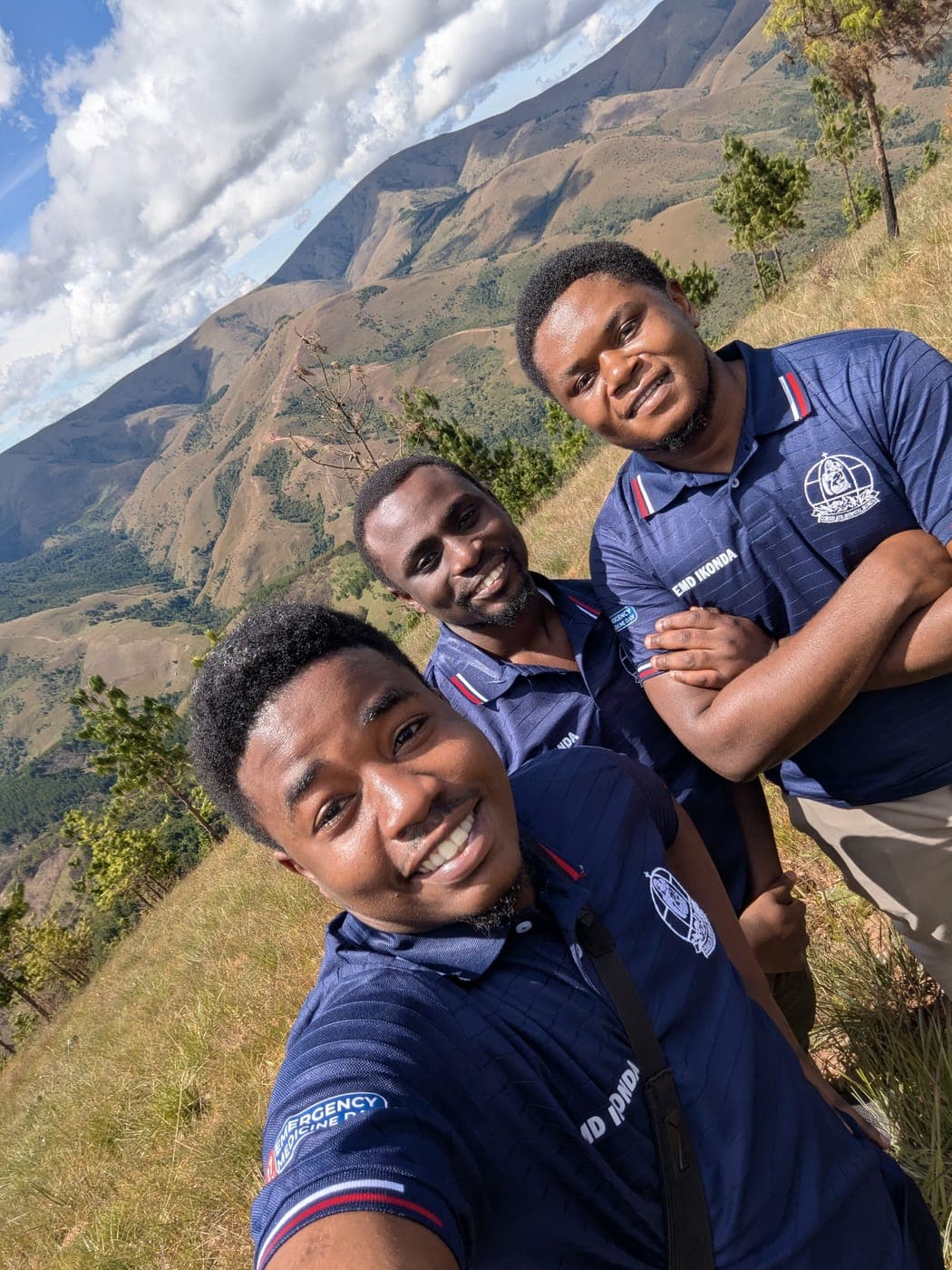
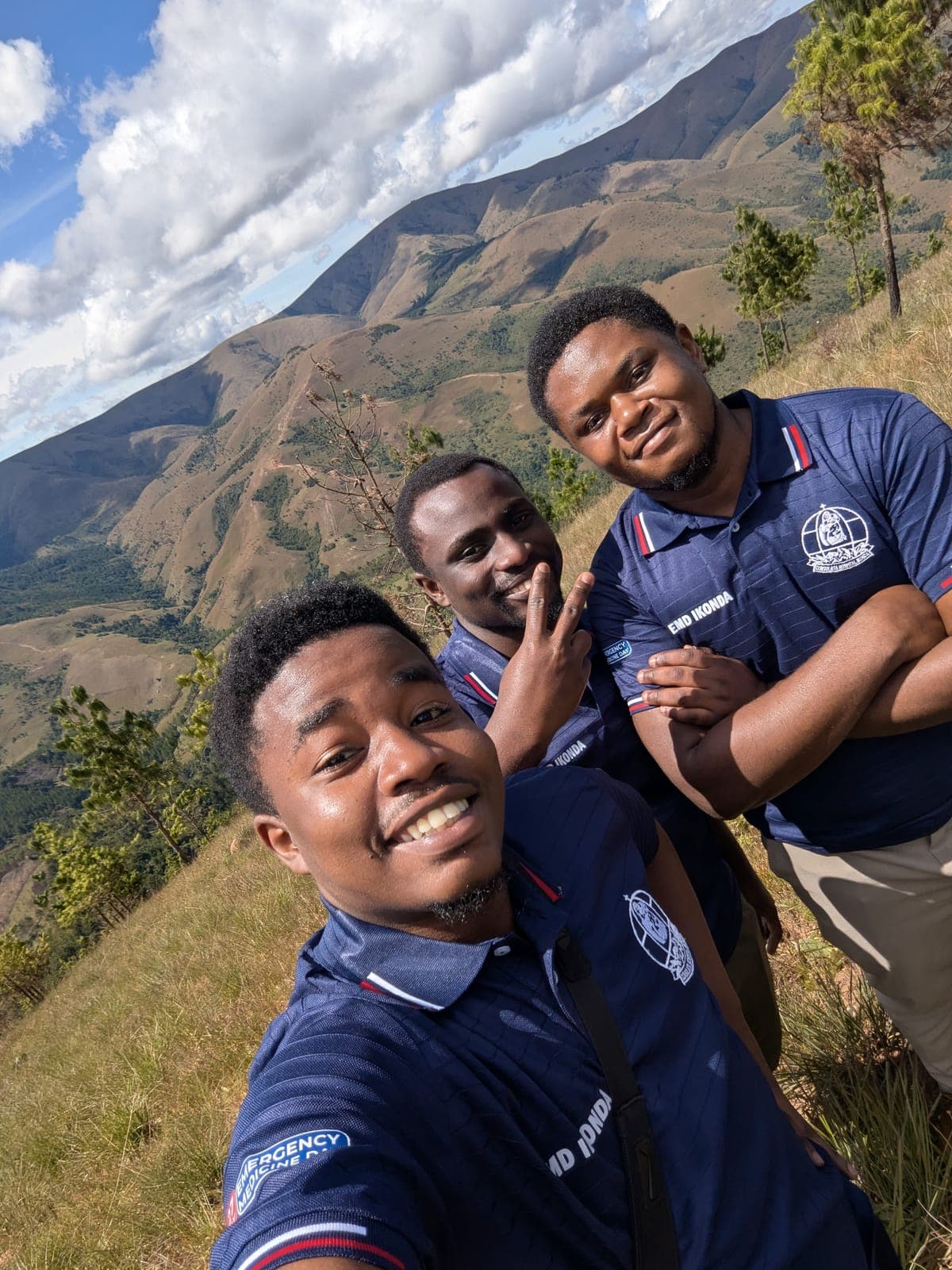
Emmanuel and friends among the southern highlands
On the road

02 · The pattern

One skill, two systems

Long before the wards, I was the person people brought broken computers to. Years of freelance IT work taught me a method: reproduce the fault, isolate the layer, change one variable at a time, fix the cause — not the symptom. Clinical medicine turned out to run on the same discipline. Working through a differential, ruling things out test by test, is the same systematic isolation of root cause. The two skills I thought belonged to separate lives were one skill, applied to two kinds of systems.

Diagnosis and debugging are the same discipline: isolate the cause, then fix the system.

03 · The mission

Multiplying medicine

Medilog is where the two converge — a hospital management system I'm building from inside clinical practice at Consolata Hospital Ikonda, shaped by the records I actually handle and the workflows that actually break. As one doctor I can see perhaps forty patients in a day. Software that removes friction for a whole facility touches every patient who walks through the door. That is what scaling impact through technology means to me in concrete terms: not leaving medicine — multiplying it.

Life in frames

The fuller picture

Medicine and software are most of the story, not all of it. A glimpse of the rest — the travel, the people, and the in-between.

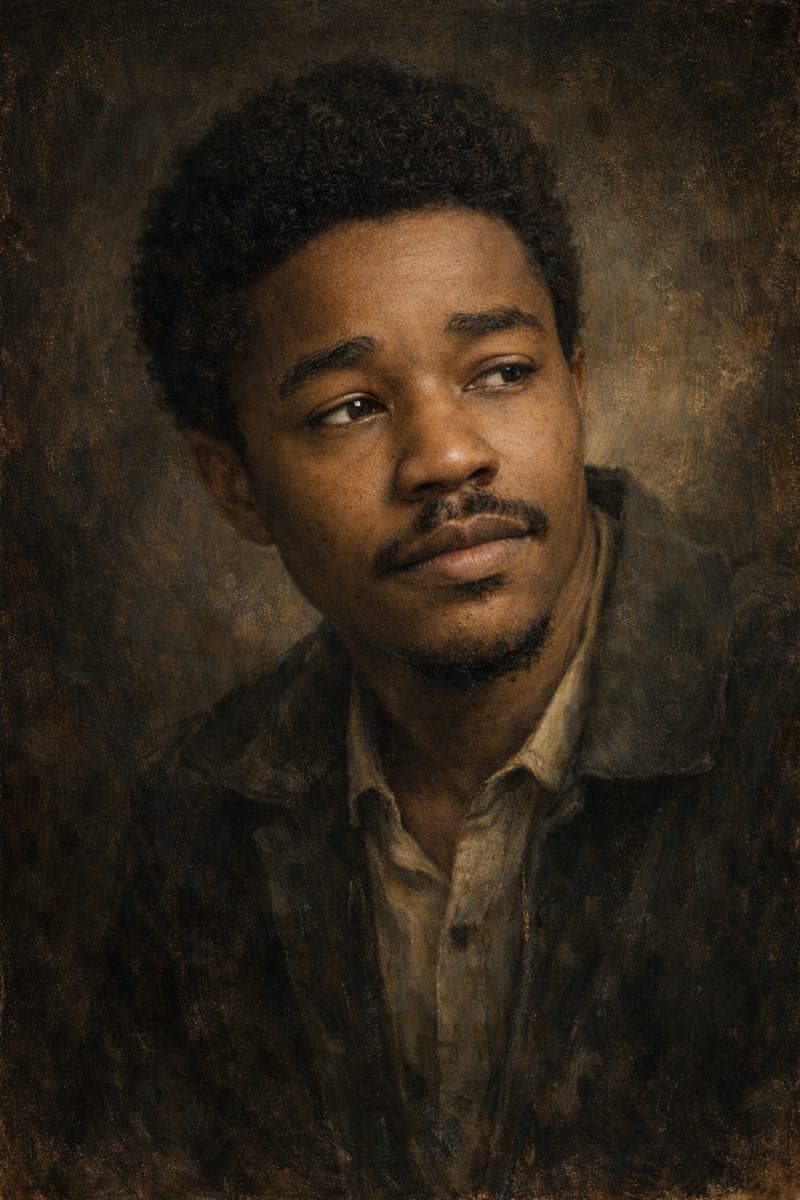
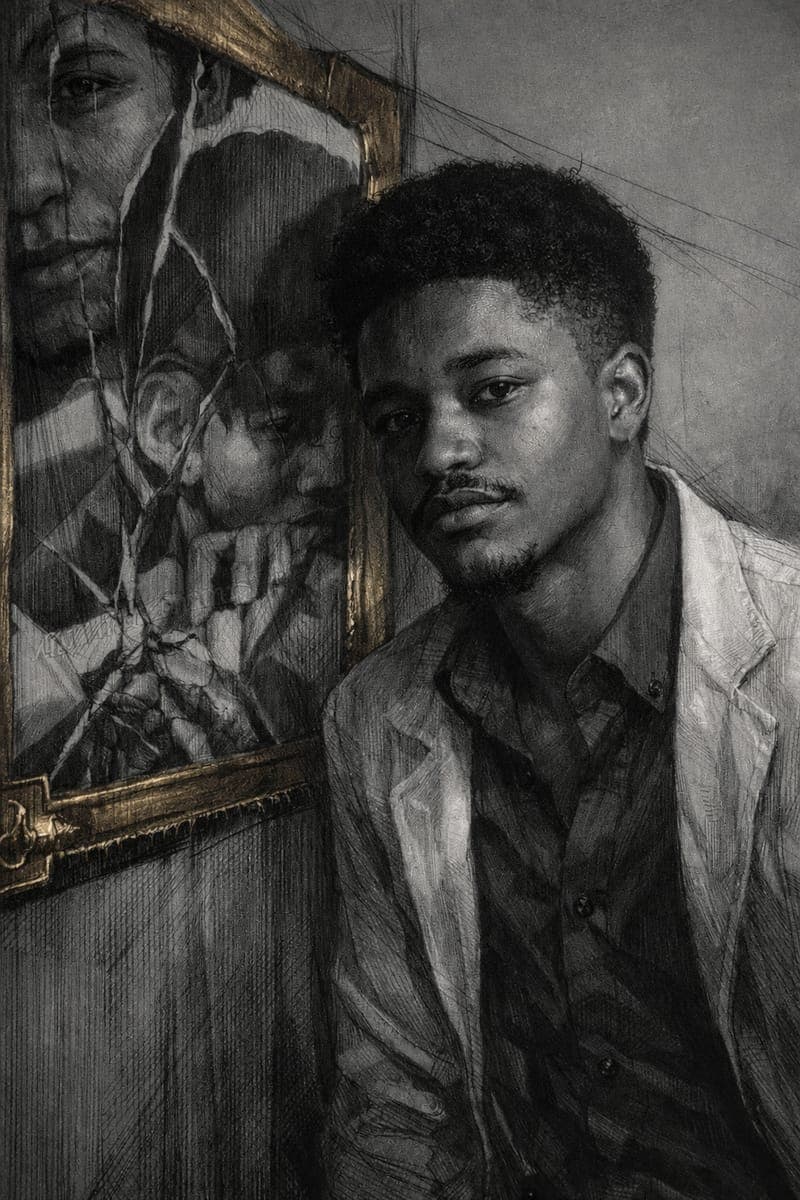
Painterly portrait of Emmanuel against a dark background
PortraitA portrait, in a painter's hand
Emmanuel and friends on a grassy ridge, mountains behind
TravelThe southern highlands, on a clear day
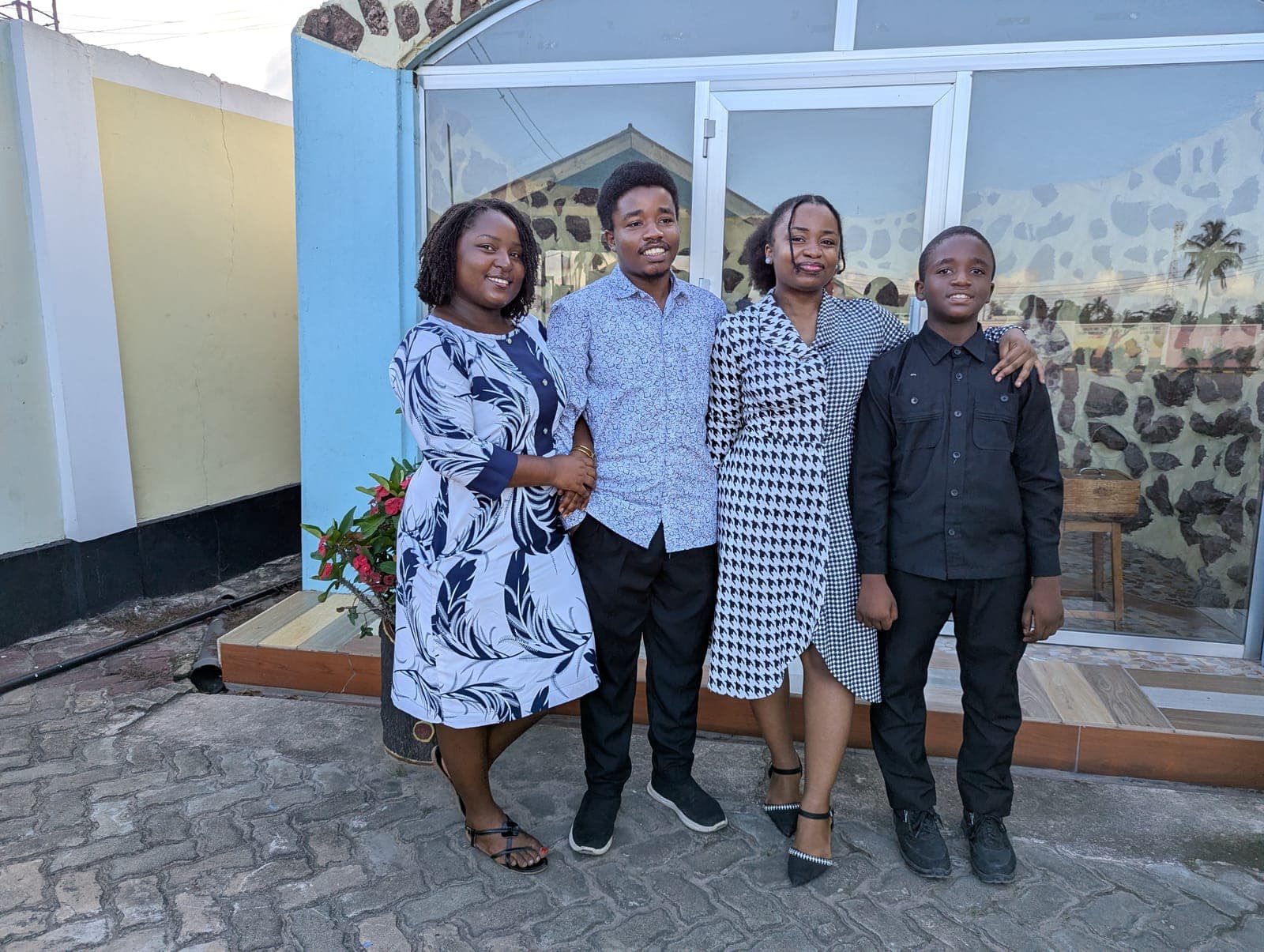
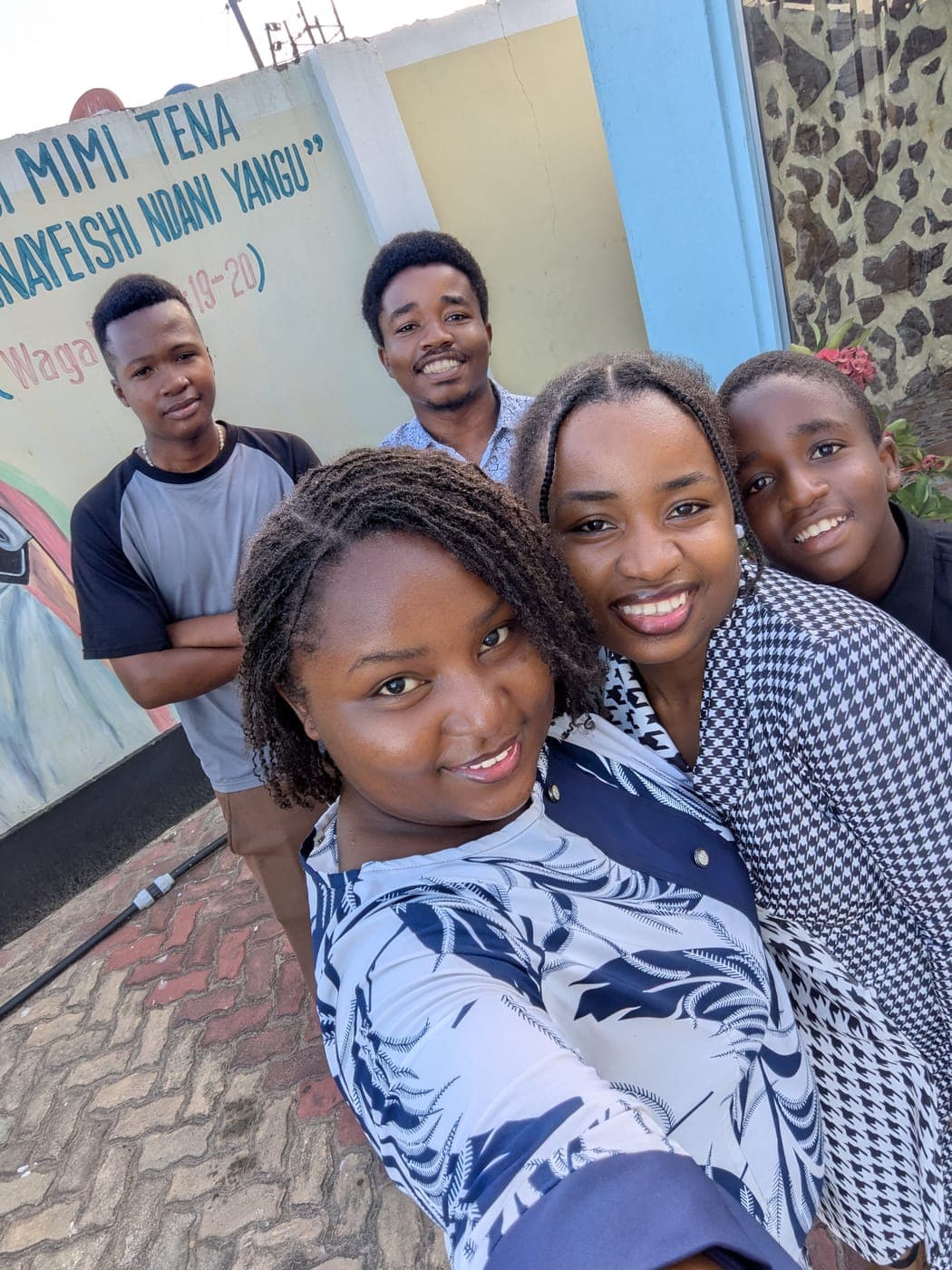
Emmanuel with family, dressed up outside a home
PeopleThe people who keep me steady
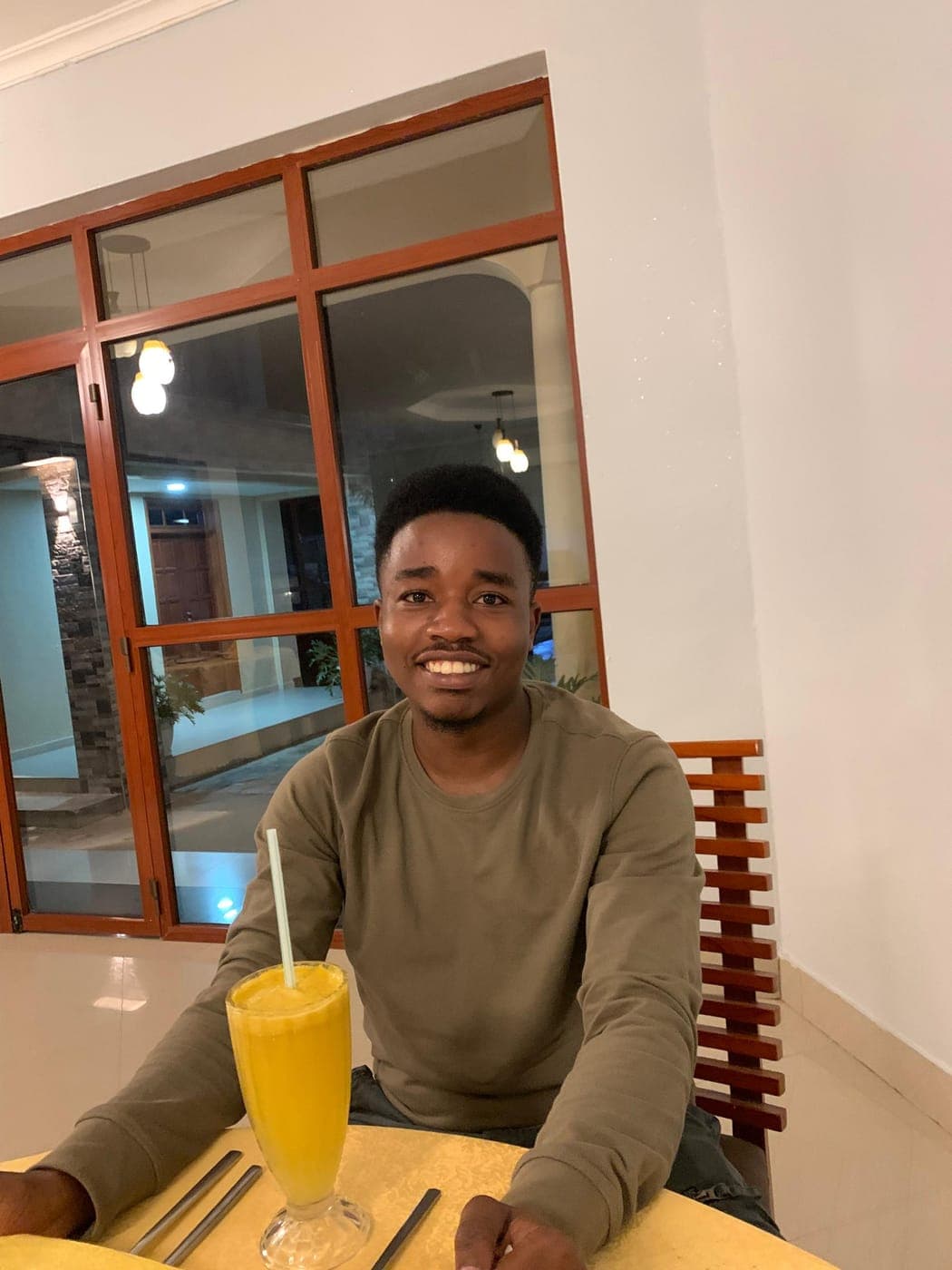
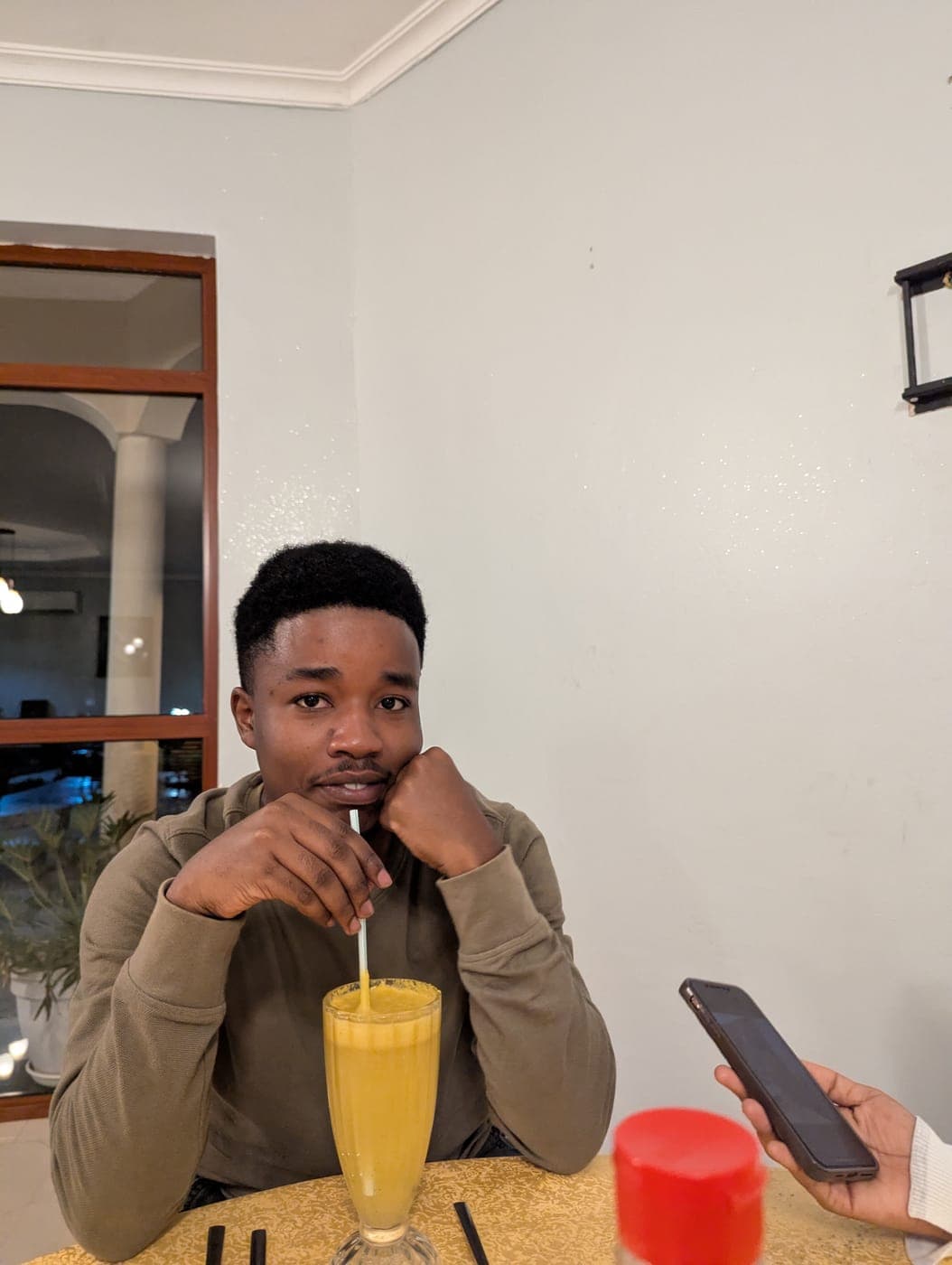
Emmanuel smiling at a table with a glass of juice in the evening
PersonalOff the clock
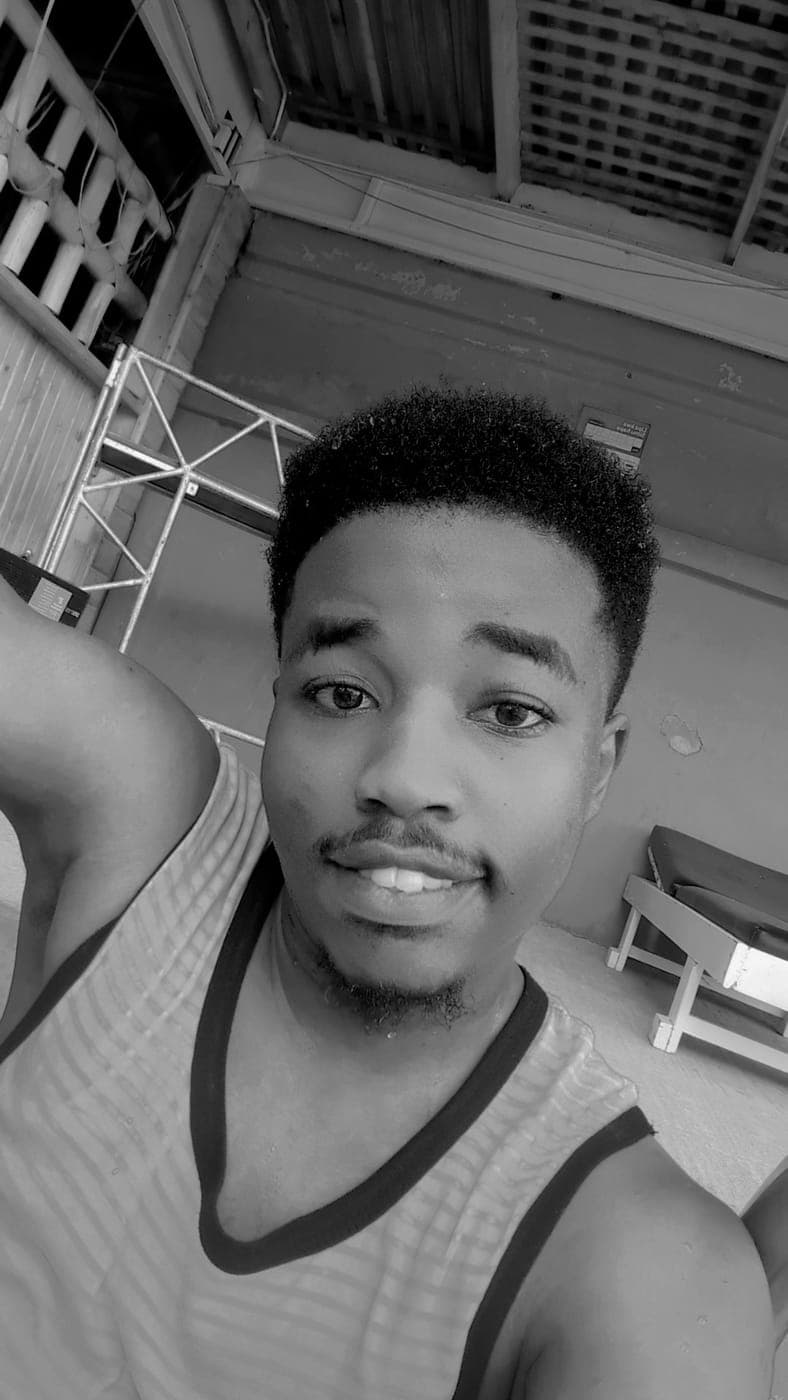
Black-and-white portrait of Emmanuel outdoors
PortraitBlack and white, no filter
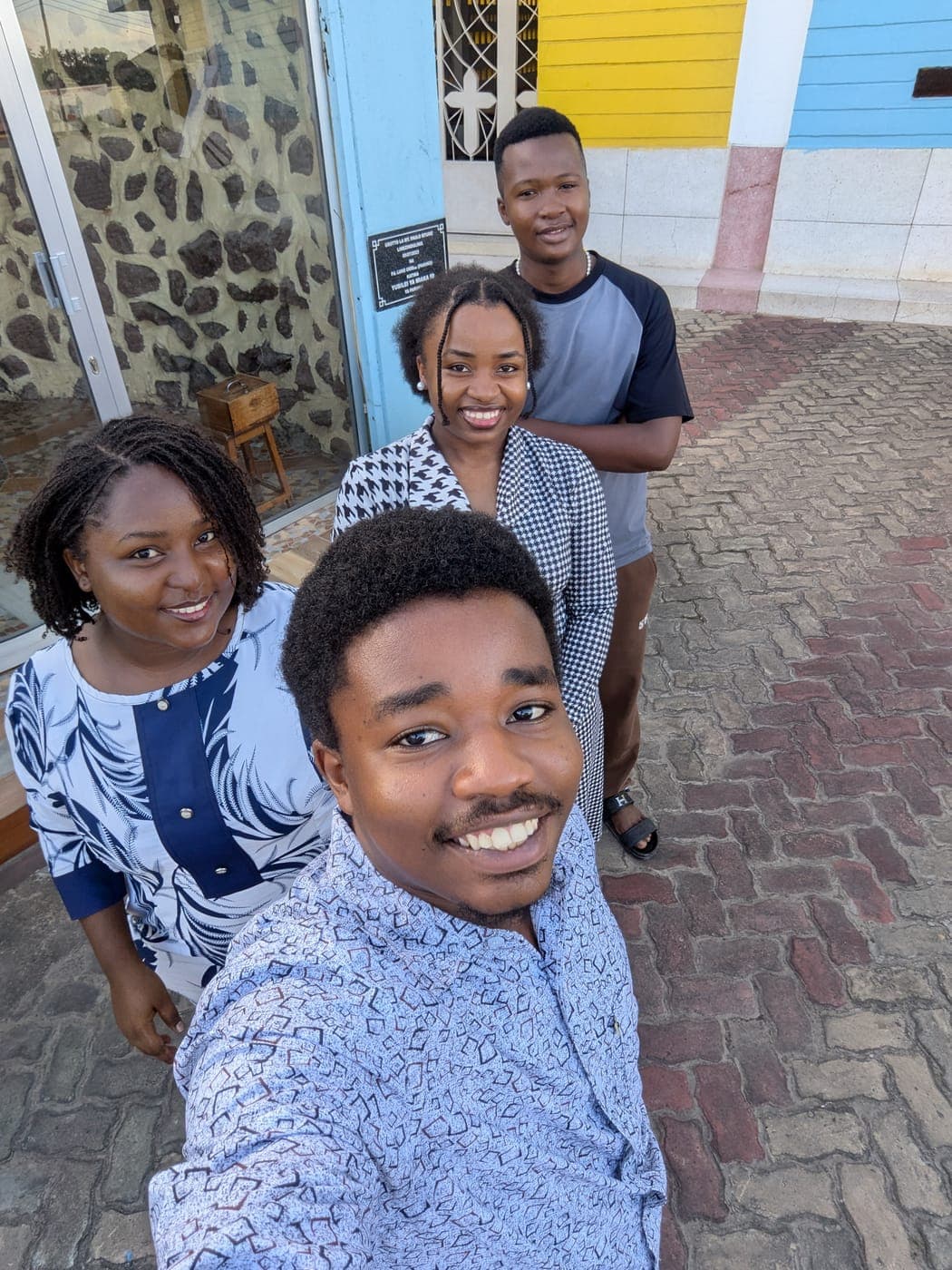
Emmanuel and a companion in a selfie by a stone wall
PeopleBetter with company
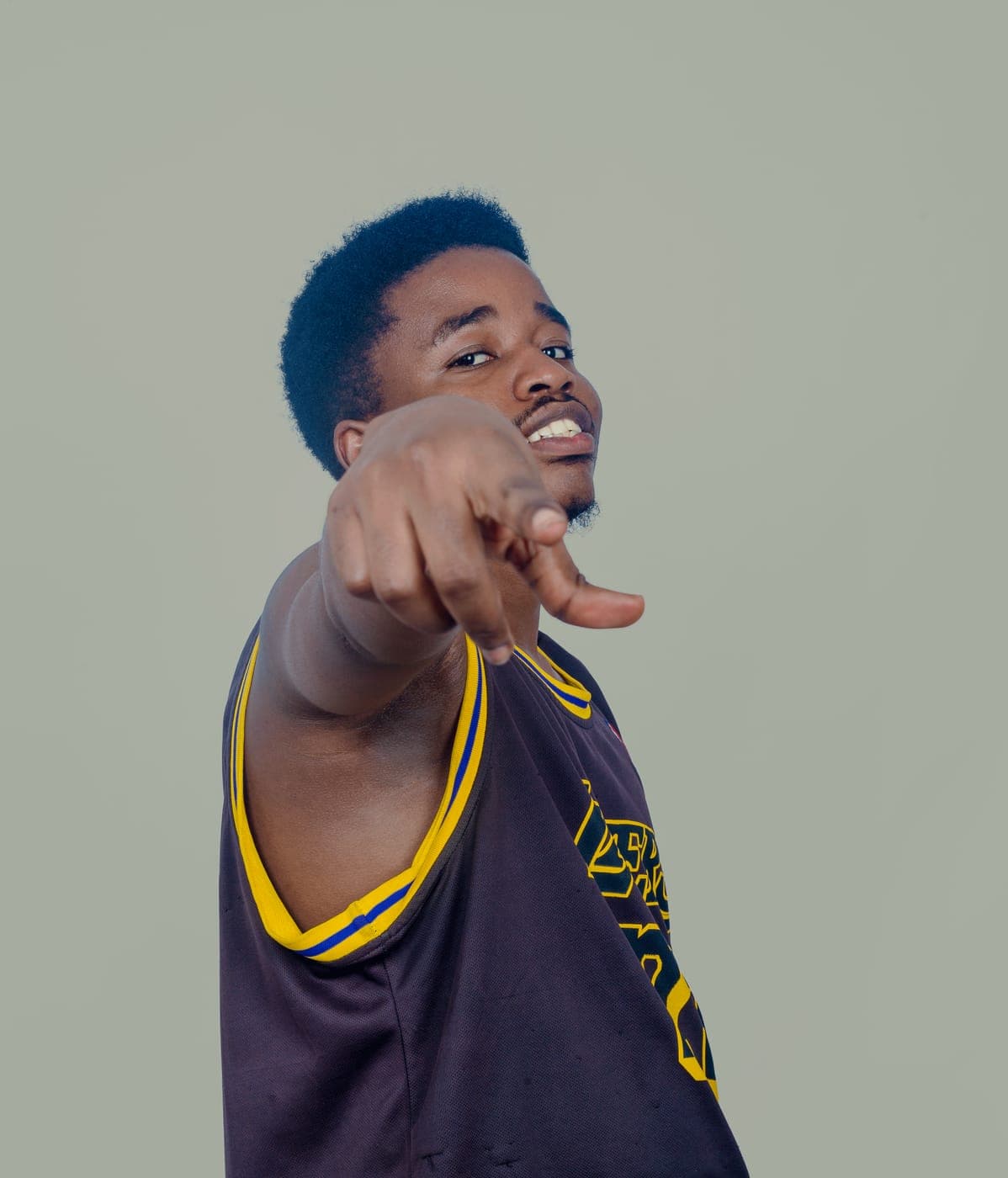
Emmanuel pointing playfully at the camera during a photo shoot
PersonalMid-shoot, not taking it too seriously
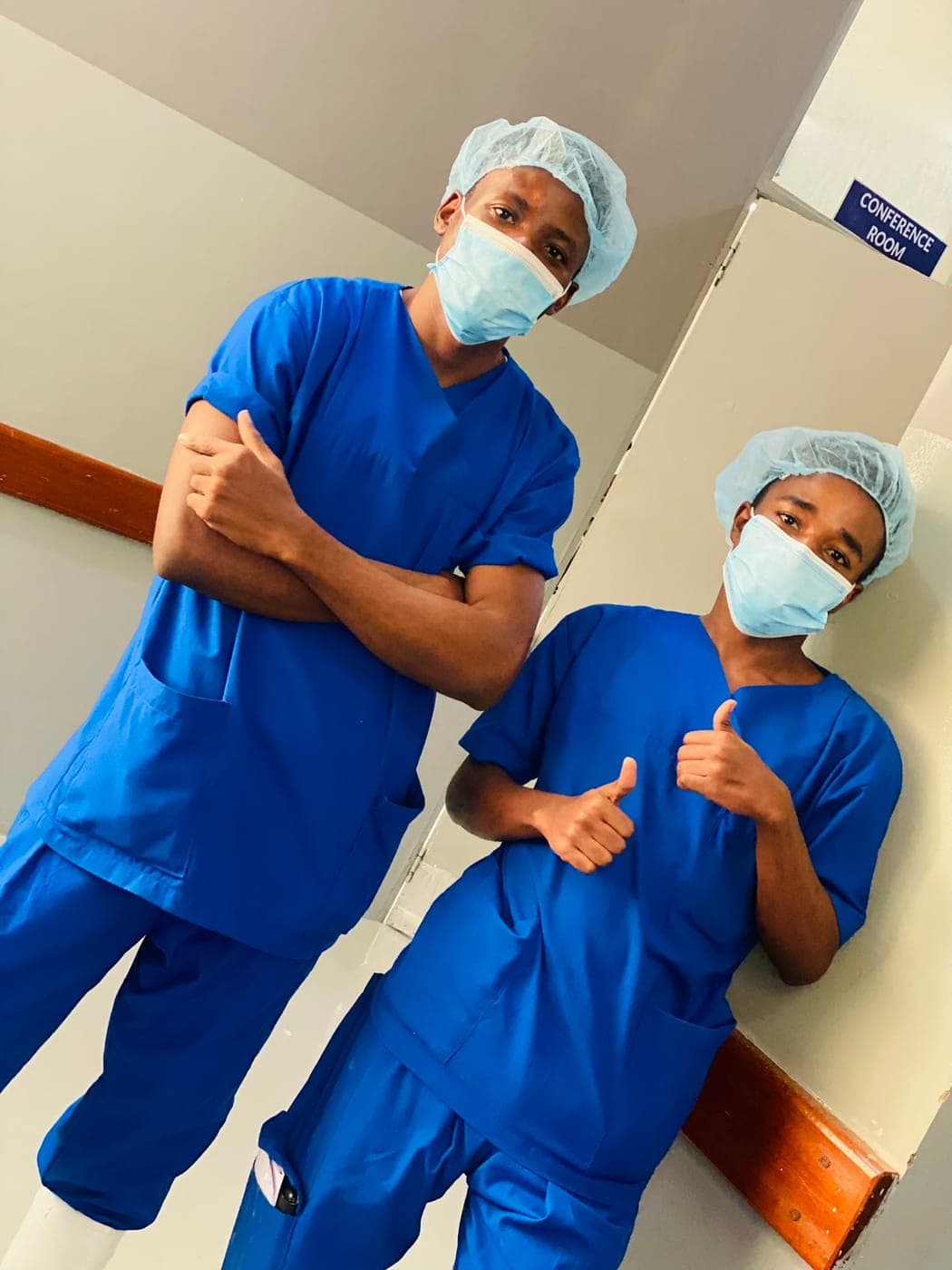
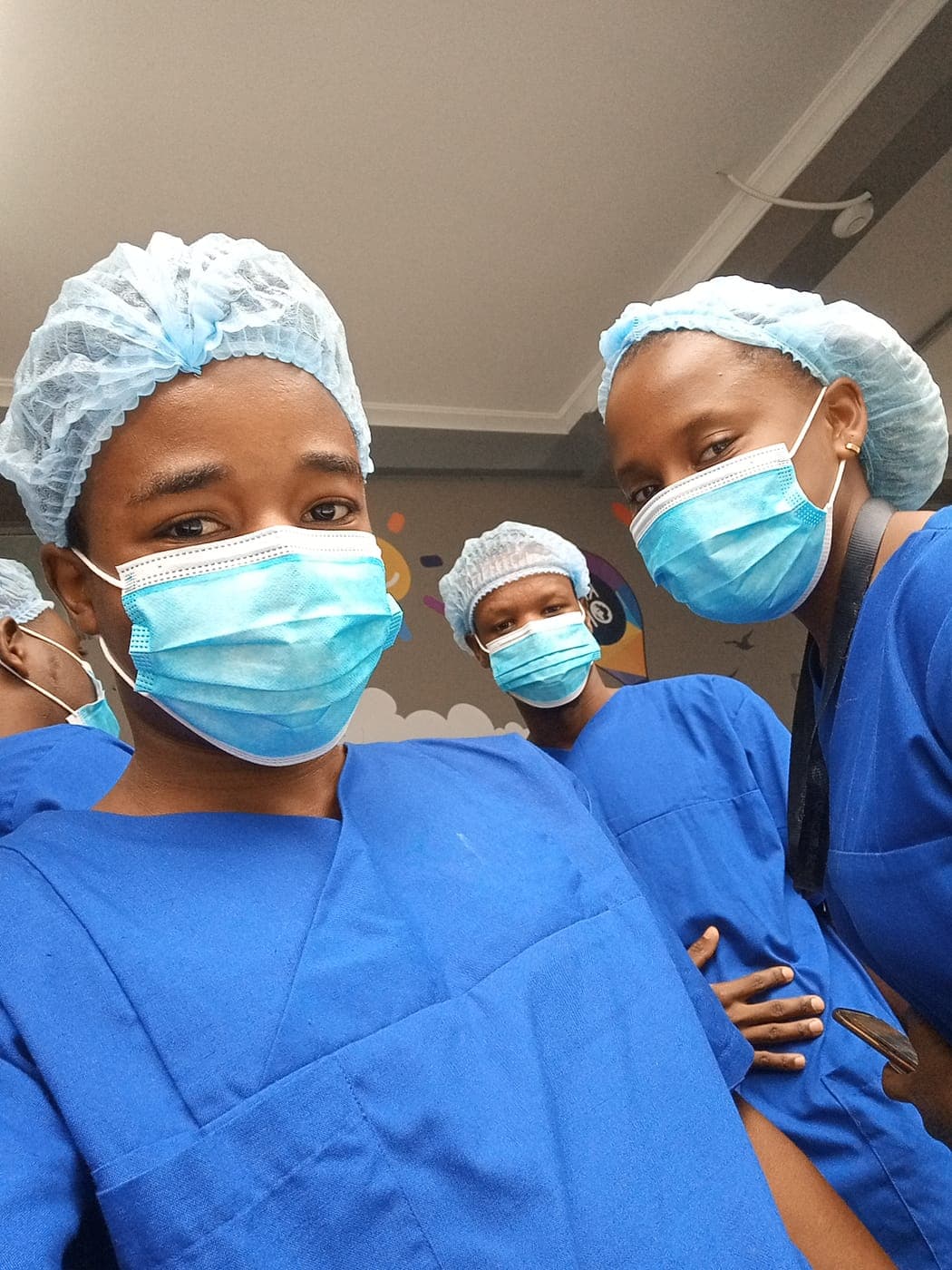
Emmanuel in surgical scrubs and cap with a colleague
ClinicalScrubbed in
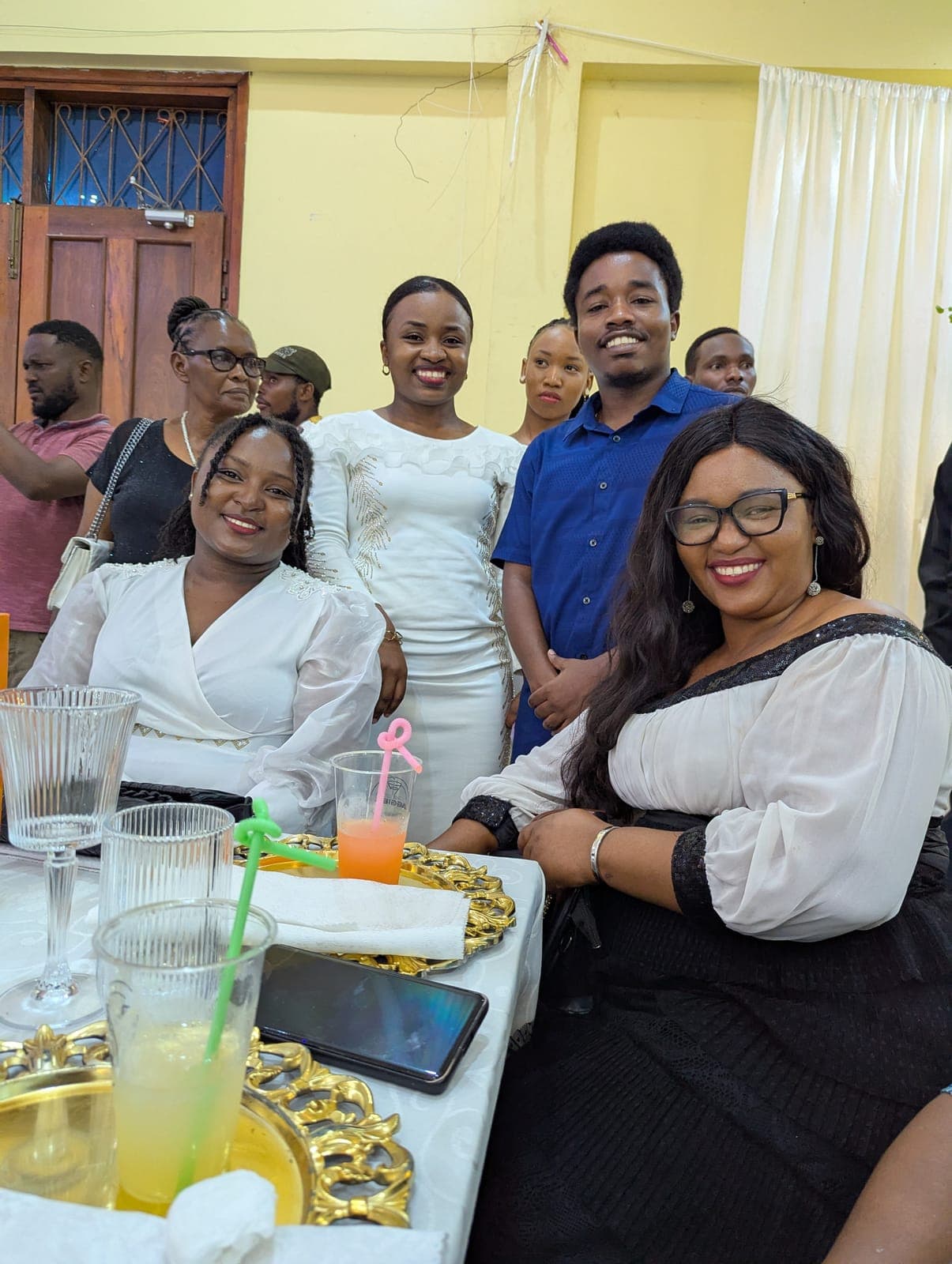
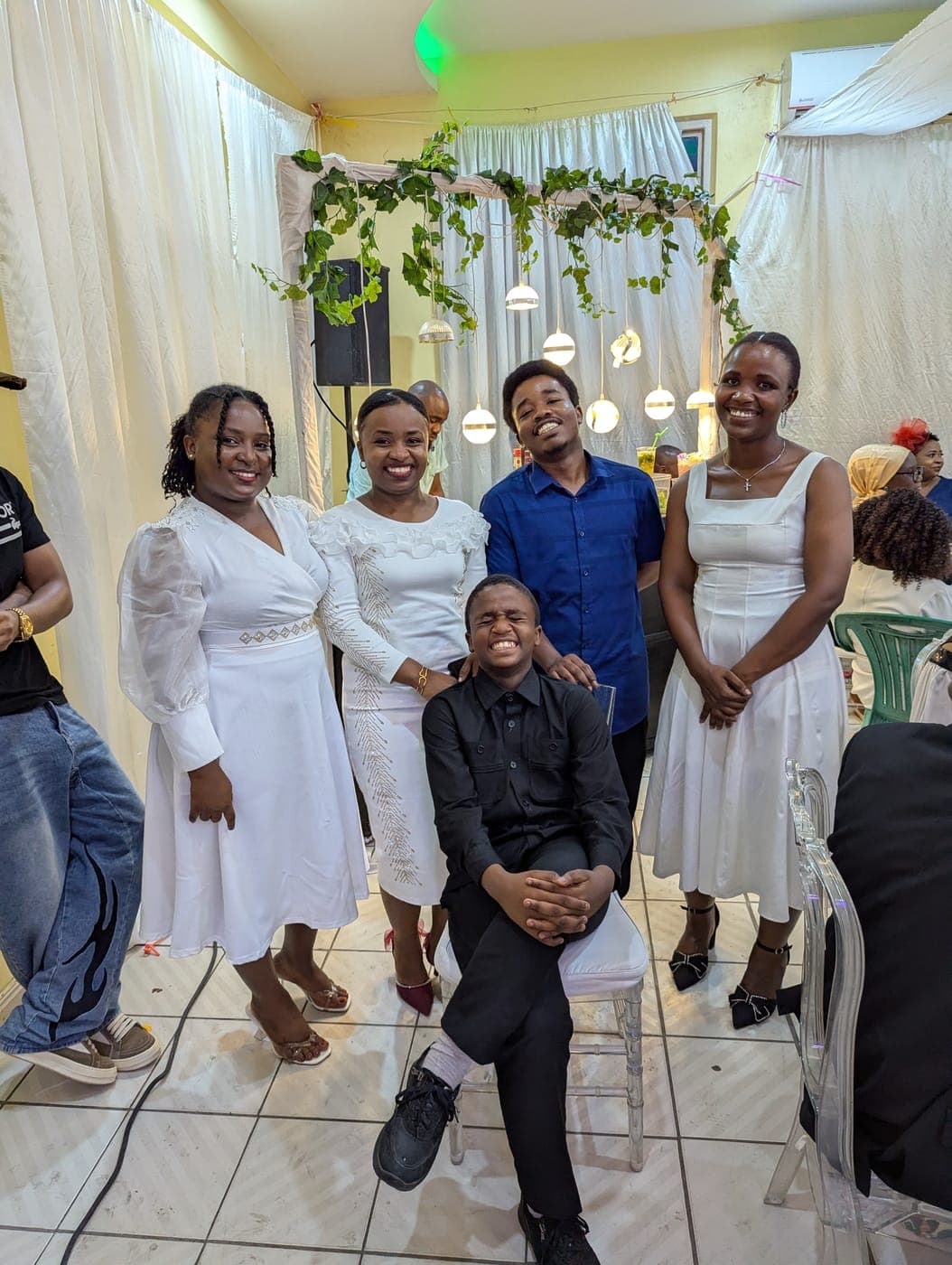
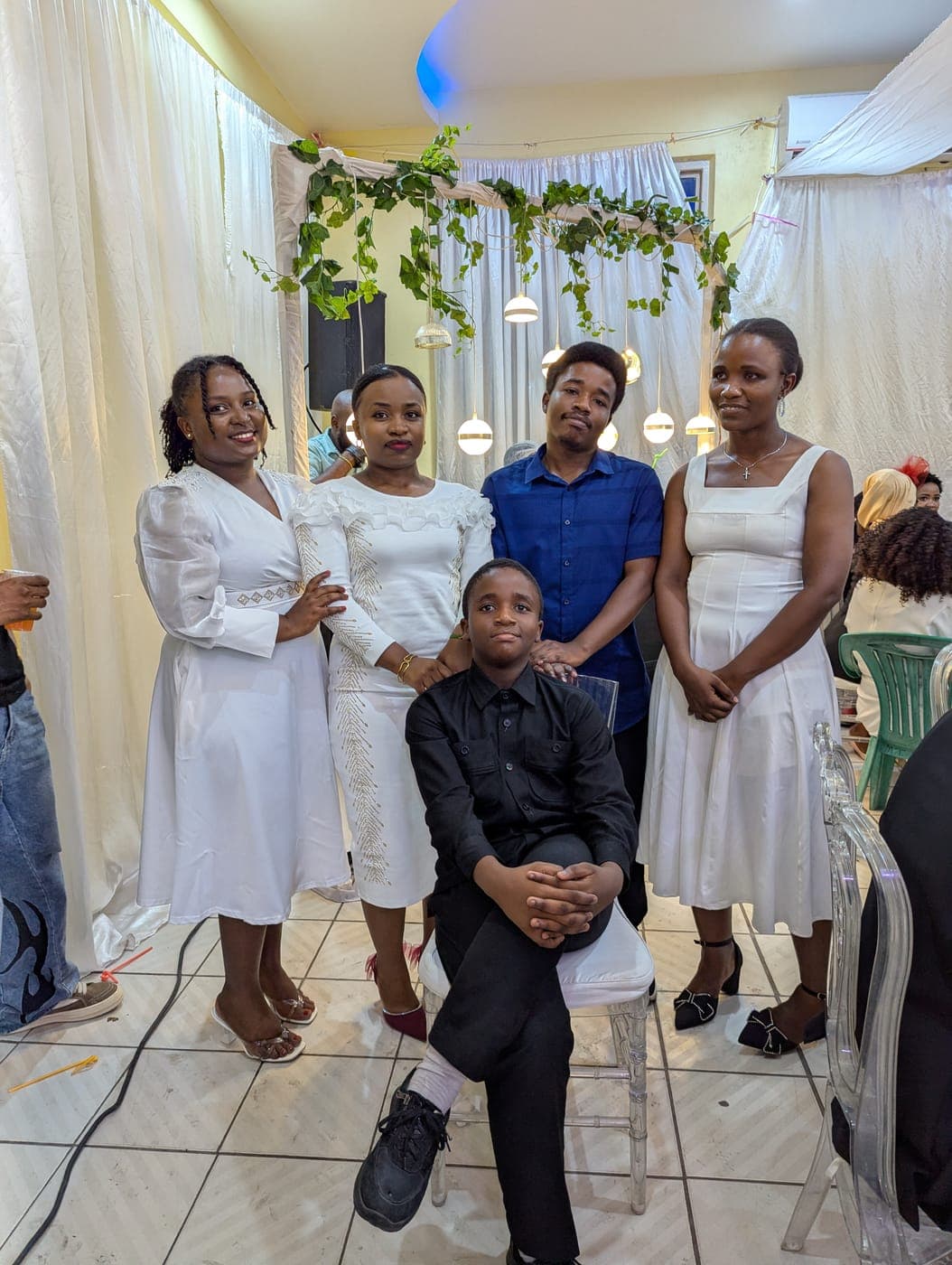
Emmanuel among friends at an indoor celebration
PeopleCelebrations, the loud kind
Emmanuel at the edge of a swimming pool
PersonalCooling off
Moody black-and-white portrait of Emmanuel
PortraitA quieter register
Emmanuel laughing with friends in a group selfie
PeopleMid-laugh, good people
Emmanuel at a restaurant table
PersonalDinner, somewhere good
Emmanuel and a friend on a mountain ridge, valley below
TravelUp where the air thins out
Emmanuel with a group dressed formally for an event
PeopleDressed for the occasion
Emmanuel laughing, hands to his face, during a photo shoot
PersonalCaught laughing
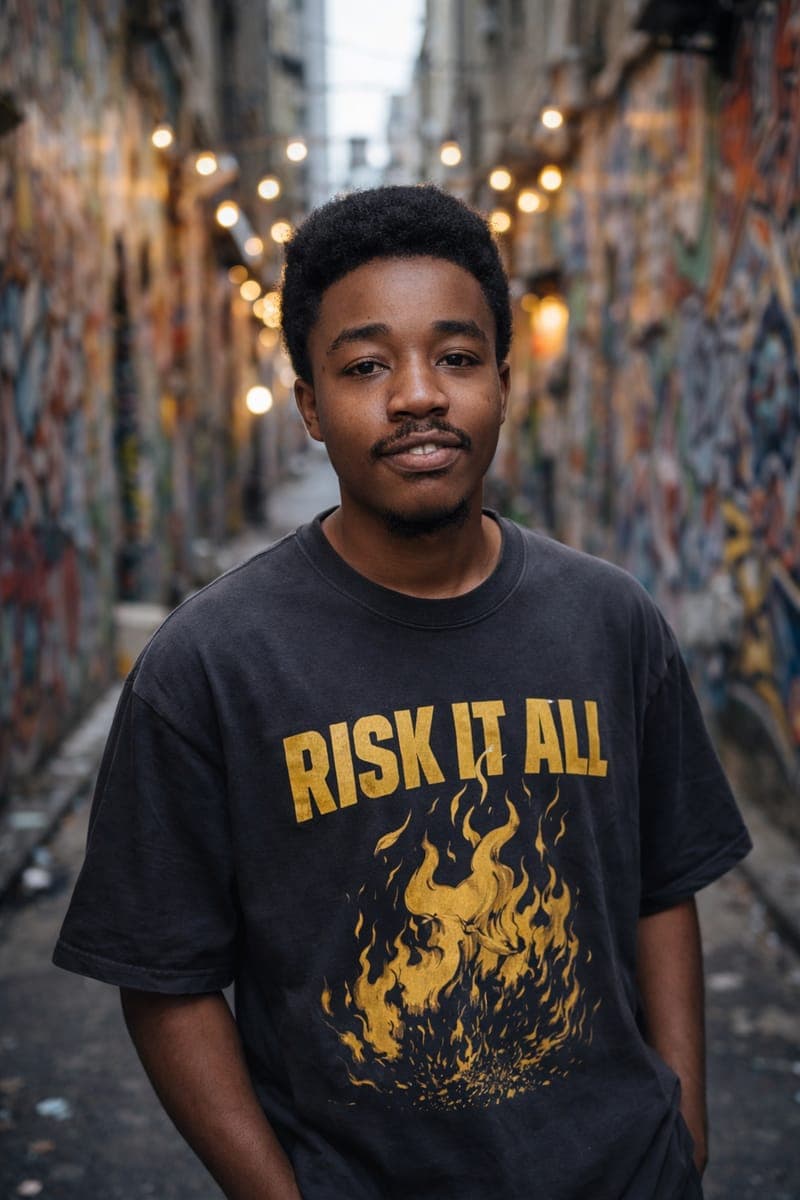
Editorial street portrait of Emmanuel against a brick wall
PortraitOut in the city
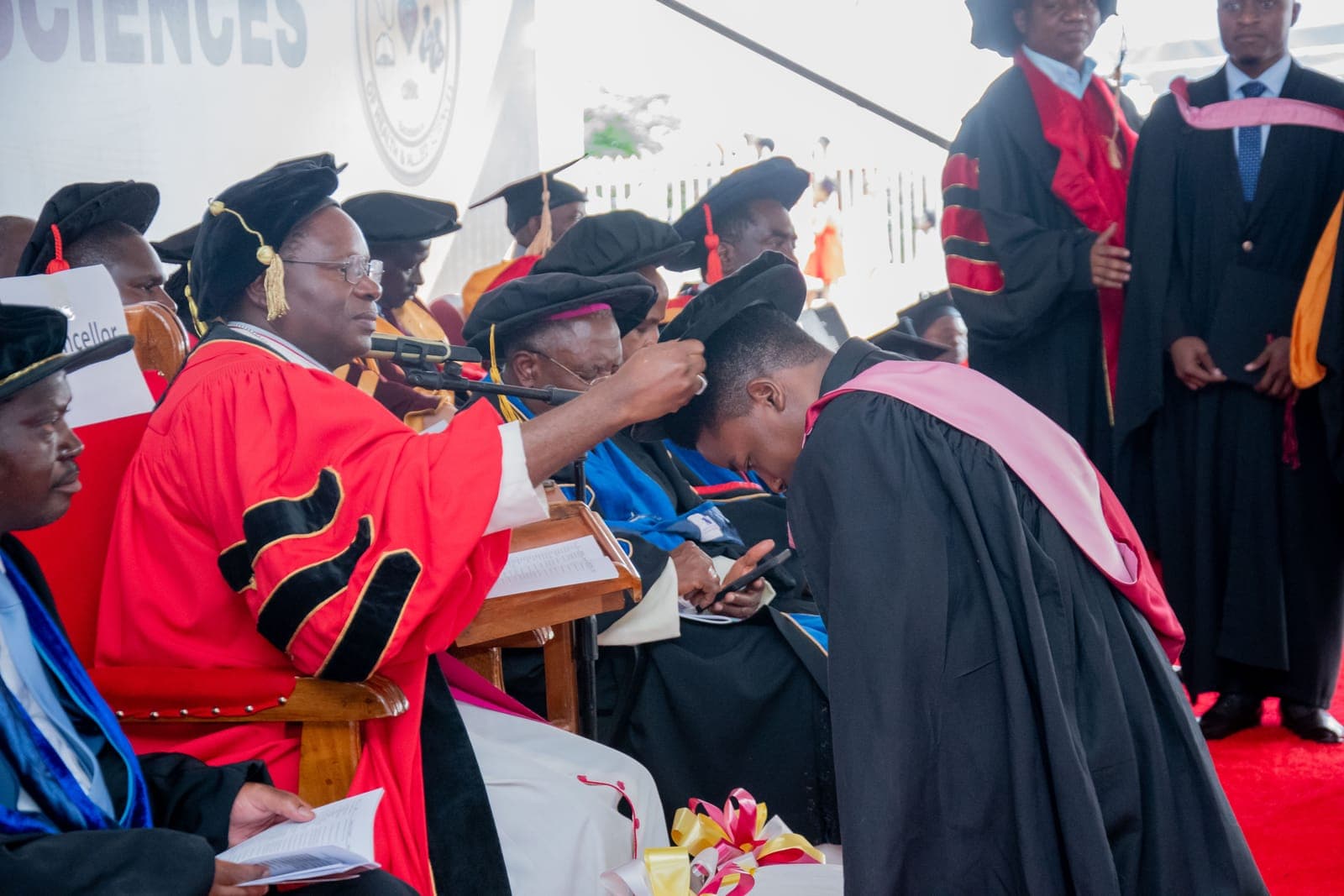
Graduation day, gowns and caps
PeopleThe day the work paid off
Full-length portrait of Emmanuel in graduation gown and hood, holding his cap
PortraitCap and gown, the long road
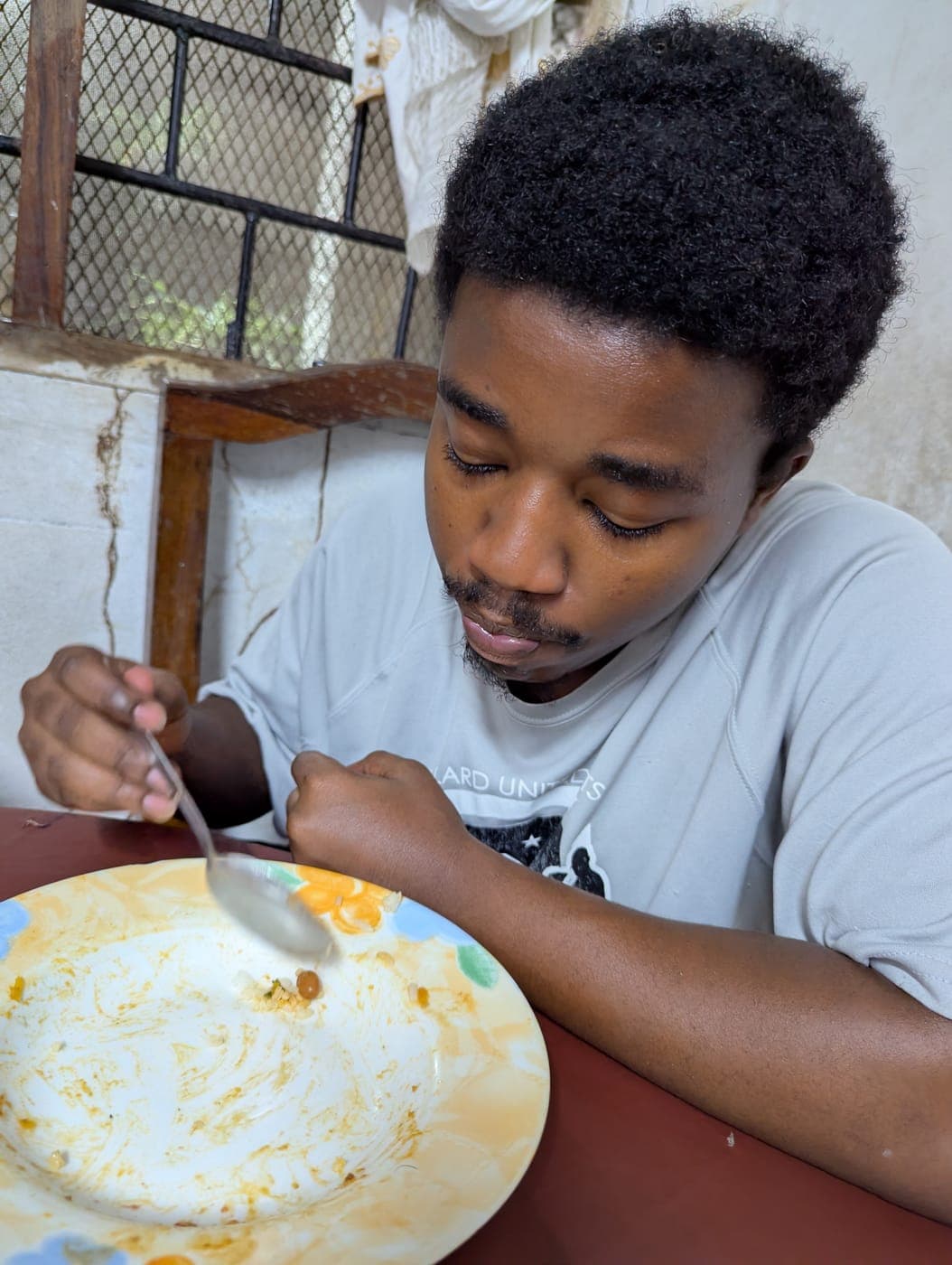
Emmanuel having a meal at home in the evening
PersonalA slow evening in
Emmanuel with colleagues in theatre scrubs and surgical caps
ClinicalWith the theatre team
Emmanuel with friends at a celebration
PeopleGood company, a good day
Emmanuel relaxing at home
PersonalHome, unposed
Emmanuel in theatre scrubs and surgical cap
ClinicalTheatre, between cases
Emmanuel outdoors on a relaxed day off
PersonalA day out, nothing on the schedule

The road so far

The path

Two threads — medicine and software — that took a while to recognise as one. Here is how they ran, and where they finally met.

  1. 2019 – 2024

    Medical school

    Catholic University of Health and Allied Sciences (CUHAS), Mwanza

    Five years where the question that still drives me first formed: not just how to treat the patient in front of me, but why the system around them so often gets in the way.

  2. 2022 – present

    Technology freelancing

    Self-employed

    It started in 2022 with building PCs and tinkering with hardware. The broken-computer person became the build-the-thing person — self-taught systems work for real clients, from repairs to Linux migrations on Fedora — and it taught me to debug a problem to its root before touching a fix.

  3. 2024

    MD dissertation research

    CUHAS, Mwanza

    A controlled comparison of gastrointestinal symptoms in autistic and typically developing children — the work that taught me to argue from evidence, treating a claim the way you treat a differential and ruling it out test by test.

  4. Dec 2024 – Dec 2025

    Clinical internship

    Shinyanga Regional Referral Hospital

    A year rotating through internal medicine, surgery, obstetrics, paediatrics, and emergency care — the wards at full volume. Most of what I now want to fix in healthcare, I first saw breaking here.

  5. 2026 – present

    Clinical practice

    Consolata Hospital Ikonda

    Practising medicine in Tanzania's southern highlands, close to where care is hardest to deliver — and where the gaps software could close are most obvious.

  6. 2025 – present

    Building Medilog

    A hospital management system built from inside clinical practice, shaped by the records I actually handle. One doctor sees forty patients a day; software that removes friction touches every patient who walks in.

What I'm building

The work

Medilog is the center of gravity. The projects around it are smaller, but they point the same way: systems that hold up under real clinical work.

In active development· June 2026

Medilog EHMS

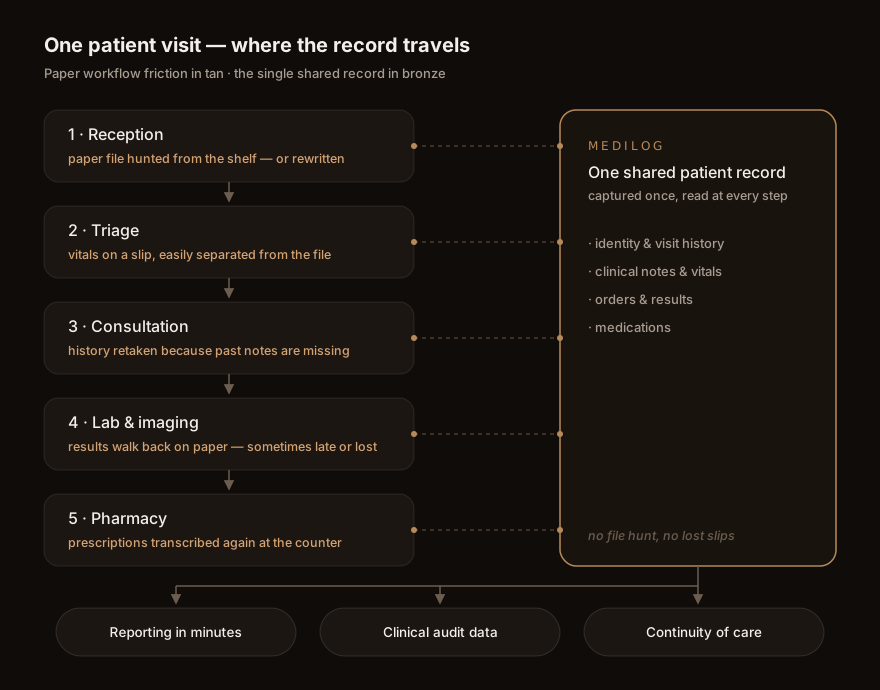
An electronic health management system built from inside Tanzanian clinical practice — patient records, workflows, and reporting without the paper chase.

  • The problem — paper-first records fragment care: missing files, late results, and clinical hours lost to documentation and manual reporting.
  • The approach — design from the ward outward: every module traces to a real workflow at a Tanzanian hospital, not a generic EMR template.
  • Where it stands — patient registration and clinical documentation in active development; the other modules are mapped and honestly labeled planned.
Read the story
Diagram of one patient visit: five steps from reception to pharmacy, each annotated with its paper-workflow pain point, connected to a single shared Medilog patient record that feeds reporting, audit, and continuity of care.
Research· May 2026

Clinical Audit Toolkit

Structured data capture for ward audits and quality-improvement reviews — working out how audit-ready data should flow from everyday clinical records.

Read more
Shipped· September 2025

Fedora Migration Playbook

A documented, repeatable process for moving individuals and small offices from Windows to Fedora Linux — install, data, and the follow-up that makes fixes last.

Read more
Research· September 2024

GI Symptoms in Autism: A Mwanza Study

A cross-sectional study of gastrointestinal symptoms in autistic children in Mwanza, Tanzania — what it measured, and what the findings argue for.

Read more

How I can help

The craft

The same diagnostic thinking I use in medicine, applied to machines: isolate the root cause, fix the system, prevent recurrence.

  • PC & Laptop Diagnostics

    Slow, crashing, or failing hardware root-cause diagnosis and a machine that stays fixed.

  • Smartphone Support

    Software faults, storage chaos, a phone that fights you clean software, safe data, a device that keeps up.

  • Hardware Diagnostics

    Intermittent faults nobody can pin down component-level isolation, so you replace the part — not the machine.

  • Linux Systems

    Windows holding old hardware (or a new server) back Fedora installation, configuration, and a migration that sticks.

  • System Optimization

    A setup that degrades a little more every month performance tuning and maintenance that extend a machine's life.

  1. 1 · Diagnose
  2. 2 · Explain
  3. 3 · Fix
  4. 4 · Document

Say hello

Start a conversation

Working on something at the intersection of healthcare and technology? Let's talk.

Send me a message
Based in Tanzania · UTC+3 (EAT)Usually replies within a day or two
Or write it here

Opens in your email app